novo blog
Após trabalhar em muitos projetos de seleção de materiais de nylon, descobrimos que a maioria dos erros se resume à mesma questão: não compreender as diferenças moleculares fundamentais entre PA6 e PA66 e tomar a decisão baseando-se apenas no preço ou na experiência.
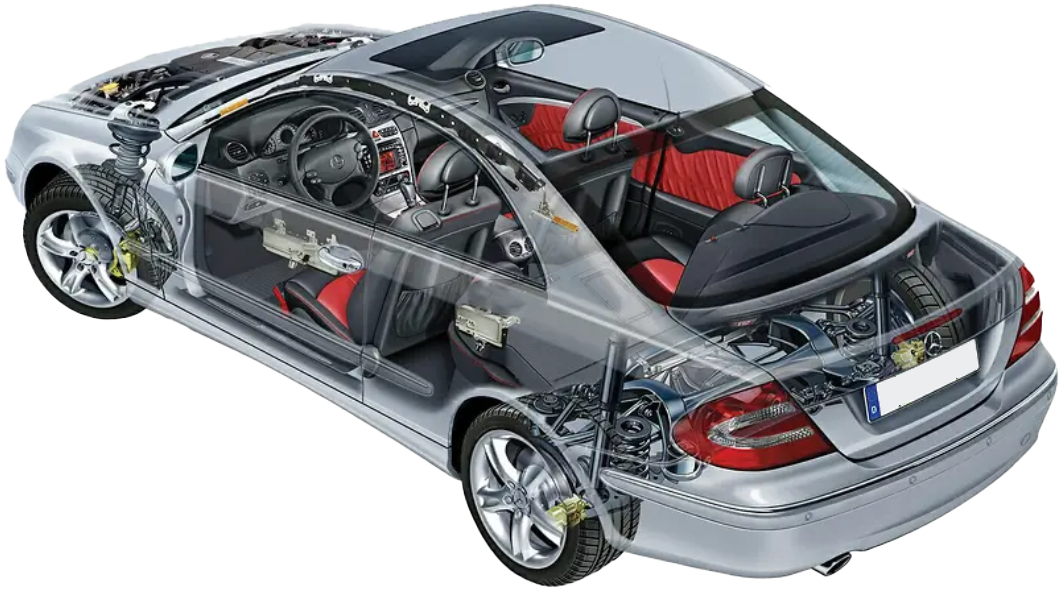
Um exemplo típico:O PA6 foi usado em vez do PA66 para um componente automotivo sob o capô, resultando em amolecimento e deformação em altas temperaturas — e um lote inteiro sendo rejeitado. Por outro lado, o PA66 foi selecionado onde o PA6 teria sido mais adequado para uma aplicação resistente a impactos, fazendo com que as peças rachassem sob impacto em clima frio e, por fim, levando o cliente a trocar de fornecedor.
A diferença de preço pode ser de apenas alguns milhares de RMB por tonelada, mas escolher o material errado pode custar muito mais do que o próprio material.
PA6 e PA66 diferem por apenas um “6” em seus nomes, e seus pellets podem parecer quase idênticos. Mas sua estrutura de cadeia molecular, cristalinidade e pontos de fusão são fundamentalmente diferentes — e essas diferenças determinam, em última análise, sua resistência, tenacidade, resistência ao calor, absorção de umidade e custo.
Continue lendo e vamos analisar as diferenças em apenas três minutos.
O PA6 é produzido pela polimerização por abertura de anel de um único monômero, a caprolactama, o que significa que sua cadeia molecular consiste em unidades repetidas do mesmo tipo. O PA66, por outro lado, é produzido através da polimerização por condensação de dois monômeros, ácido adípico e hexametilenodiamina, com duas unidades diferentes dispostas alternadamente ao longo da cadeia.
Embora ambos sejam chamados de “PA6”, seus esqueletos moleculares são diferentes. O PA66 tem uma densidade maior de grupos amida, ligações de hidrogênio intermoleculares mais fortes e, inerentemente, maior cristalinidade.
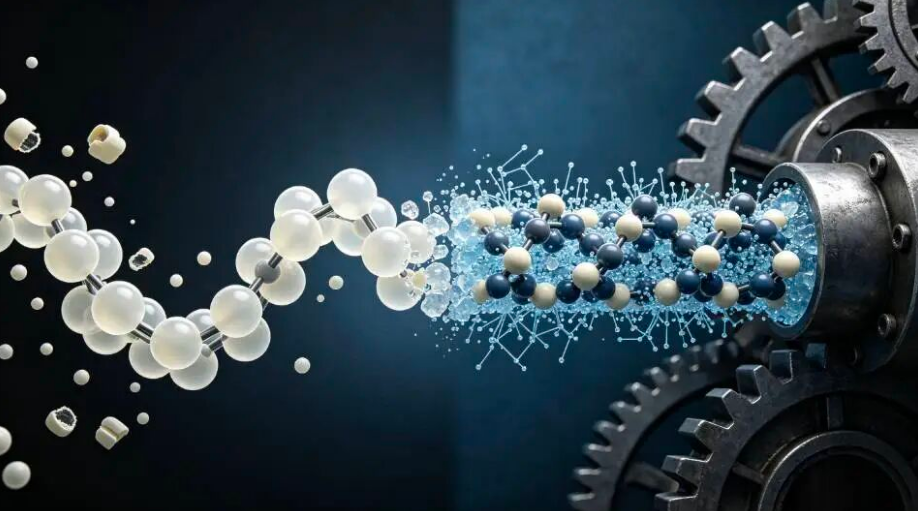
Essa diferença é a causa raiz de quase tudo o que se segue. Uma maior densidade de grupos amida e maior cristalinidade resultam diretamente em um ponto de fusão mais alto, maior resistência e rigidez, e maior módulo de flexão. A compensação é uma menor tenacidade, menor resistência ao impacto e maiores flutuações de desempenho após a absorção de umidade.
O PA6 segue um caminho diferente: sua cristalinidade ligeiramente menor sacrifica alguma resistência em troca de melhor tenacidade e resistência à fadiga.
O ponto de fusão do PA66 chega a cerca de 260°C, enquanto o PA6 derrete a aproximadamente 220°C — uma diferença de cerca de 40°C.
Em aplicações de engenharia, 40°C está longe de ser insignificante. Em ambientes de água quente, ao redor de compartimentos do motor e em conectores elétricos, materiais expostos a altas temperaturas contínuas podem amolecer gradualmente e perder suporte mecânico. Para o PA6, a rigidez e a resistência começam a diminuir visivelmente acima de 100°C. O PA66, graças à sua maior cristalinidade e ponto de fusão, oferece uma retenção de propriedades mecânicas significativamente melhor em temperaturas elevadas.
Isso é fundamentalmente determinado pela estrutura molecular — não é algo que possa ser simplesmente compensado por meio da formulação.
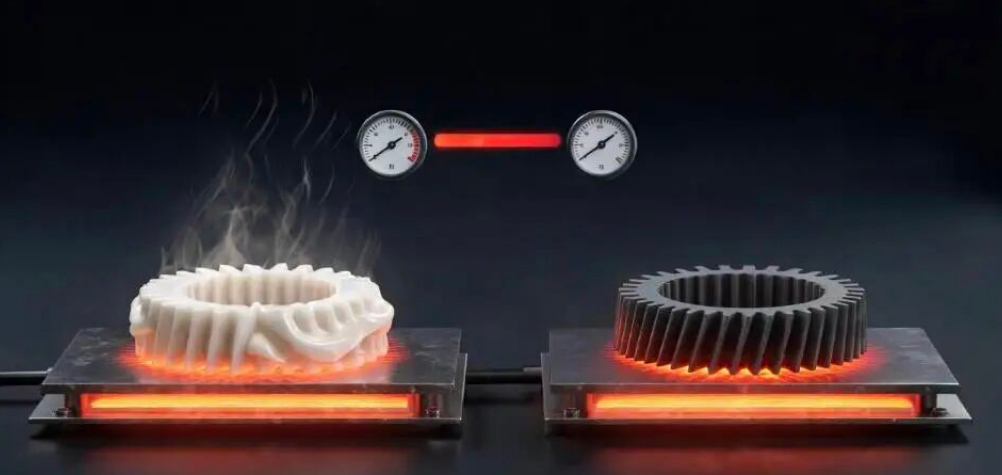
É por isso que para aplicações como componentes automotivos sob o capô, conectores elétricos de alta temperatura e peças industriais resistentes ao desgaste,o PA66 é a escolha clara — não é simplesmente uma questão de preferência.
No estado seco, o PA66 geralmente supera o PA6 em resistência à tração, módulo de flexão e resistência ao desgaste. Para engrenagens de serviço pesado, gaiolas de rolamento e componentes deslizantes resistentes ao desgaste — aplicações que exigem rigidez, capacidade de carga e resistência ao desgaste — o PA66 é o cavalo de batalha.
Mas o PA6 tem a vantagem no outro lado: tenacidade e resistência ao impacto. Para componentes sujeitos a impacto, peças flexionadas repetidamente e áreas propensas a rachaduras em cantos vivos ou paredes finas, o PA6 pode ser a escolha mais confiável.
A razão volta à cristalinidade: com menor cristalinidade, as cadeias poliméricas têm maior liberdade de movimento, permitindo que o material absorva mais energia de impacto e resista melhor à propagação de rachaduras.
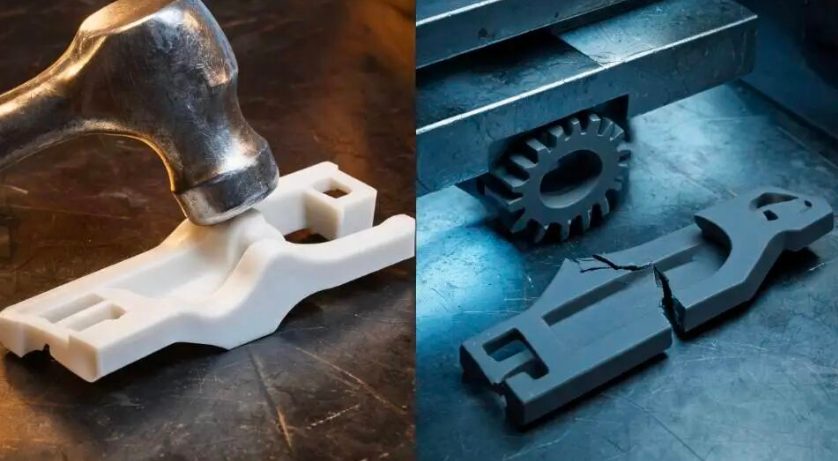
Um resiste a cargas pesadas, enquanto o outro resiste ao impacto. Não se trata de qual substitui o outro — seus modos de falha são diferentes, portanto, os critérios de seleção são diferentes.
Ambos os tipos de nylon absorvem umidade. O PA6 pode atingir uma taxa de absorção de água saturada de cerca de 9,5%, enquanto o PA66 pode atingir cerca de 8,5%. Não importa quão impressionante seja a resistência no estado seco, a absorção de umidade pode reduzir o desempenho mecânico — e a estabilidade dimensional também é afetada.
A gravidade depende muito da aplicação. Componentes de precisão são especialmente vulneráveis. Se o material for processado sem a secagem adequada, a resistência da moldagem pode cair significativamente. Se as peças acabadas não forem adequadamente protegidas da umidade, suas dimensões podem variar com o tempo, resultando potencialmente na rejeição pelo cliente.
Componentes que suportam carga enfrentam o mesmo problema: a absorção de umidade reduz tanto a rigidez quanto a resistência, consumindo a margem de segurança originalmente incorporada ao projeto.
Este é um desafio que se aplica tanto ao PA6 quanto ao PA66, e qualquer pessoa que trabalhe com nylon precisa levá-lo a sério. No entanto, o PA6 absorve um pouco mais de umidade, tornando a proteção contra umidade ainda mais importante em aplicações que exigem alta precisão dimensional.
O PA6 tem um ponto de fusão mais baixo e uma janela de processamento relativamente ampla. Temperaturas de processamento em torno de 230–270°C são geralmente suficientes. É mais fácil de processar e moldar, enquanto seu menor custo de material o torna acessível para pequenos e médios fabricantes.
O PA66 é mais exigente. As temperaturas de processamento normalmente precisam atingir acima de 280°C, com controle cuidadoso das temperaturas de fusão e do molde. Sua janela de processamento mais estreita impõe maiores exigências ao equipamento e ao controle do processo. A matéria-prima também é mais cara — e quando a oferta de adiponitrila (ADN) fica restrita, os preços do PA66 podem subir rapidamente.
A diferença de custo também se resume à cadeia de suprimentos: o PA6 se beneficia da produção madura de monômeros e da capacidade abundante, resultando em preços relativamente estáveis. O PA66 tem uma cadeia de matérias-primas mais complexa e maiores flutuações de oferta, portanto, seu prêmio é impulsionado não apenas pela marca, mas pela estrutura da indústria a montante.
Com o reforço de fibra de vidro, o PA6 mantém sua tenacidade e custo-benefício. Ele segue uma abordagem de “bom o suficiente para o trabalho” — ideal para componentes estruturais levemente carregados, suportes gerais e carcaças de ferramentas elétricas. O desempenho é significativamente melhorado enquanto os custos permanecem sob controle.
O PA66 reforçado com fibra de vidro, por outro lado, leva a resistência e a resistência ao calor a outro nível. Sua temperatura de deflexão térmica pode chegar a cerca de 250°C, tornando-o um forte candidato para substituir componentes metálicos. Suportes de motor, engrenagens de alta temperatura e peças estruturais que suportam carga são aplicações típicas onde é necessário um desempenho de nível de engenharia.
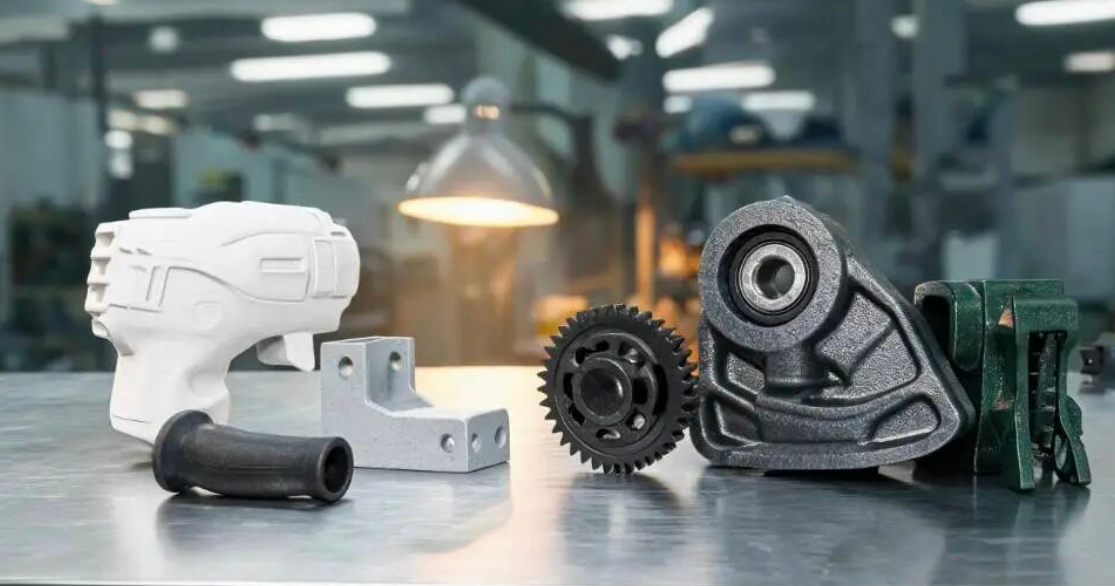
Existe um ditado no mundo da engenharia: “Use PA6 para um trabalho de 60 pontos e PA66 para um trabalho de 90 pontos.” Pode soar um pouco direto, mas a lógica por trás da seleção de materiais é simples:O PA6 não é inferior — o PA66 simplesmente tem vantagens estruturais inerentes em aplicações que exigem alta rigidez e alta resistência ao calor devido à sua estrutura molecular.
A resina virgem é apenas o ponto de partida. Na seleção de materiais do mundo real, o grau modificado é o que realmente diferencia o desempenho.
Para conectores elétricos que exigem retardamento de chama, o PA66 com classificação V-0 é uma escolha padrão. Para clipes automotivos que precisam de alta resistência ao impacto, o PA6 endurecido pode oferecer uma tenacidade surpreendentemente alta. Quando a pressão de custo é alta, os graus de PA6 nacionais que substituem materiais importados também são uma solução comum.
Mesmo dentro do PA66, os graus retardantes de chama, reforçados com fibra de vidro e de alto fluxo podem ter um desempenho drasticamente diferente. Portanto, não foque apenas em PA6 vs. PA66 — o sufixo do grau importa.
A resina base define a direção; a modificação determina o desempenho.
Então, voltando à pergunta original: Qual é a diferença entre PA6 e PA66?
A diferença reside na estrutura da cadeia molecular, na cristalinidade, na diferença de aproximadamente 40°C no ponto de fusão e no seu equilíbrio diferente entre resistência e tenacidade.
Em última análise, a seleção de material resume-se a três perguntas:
Para aplicações contínuas de alta temperatura, o ponto de fusão e a cristalinidade mais elevados do PA66 proporcionam uma vantagem clara que o PA6 não pode simplesmente substituir.
Para cargas pesadas e alta rigidez, o PA66 leva vantagem. Para resistência ao impacto e tenacidade, o PA6 é frequentemente a melhor escolha. O modo de falha esperado determina a direção.
Para aplicações em temperatura ambiente e de baixa carga, onde a eficiência de custo é importante, o PA6 é frequentemente mais do que suficiente. Para aplicações de alta temperatura e carga pesada que exigem alta rigidez, o PA66 pode ser uma necessidade estrutural — não um luxo.
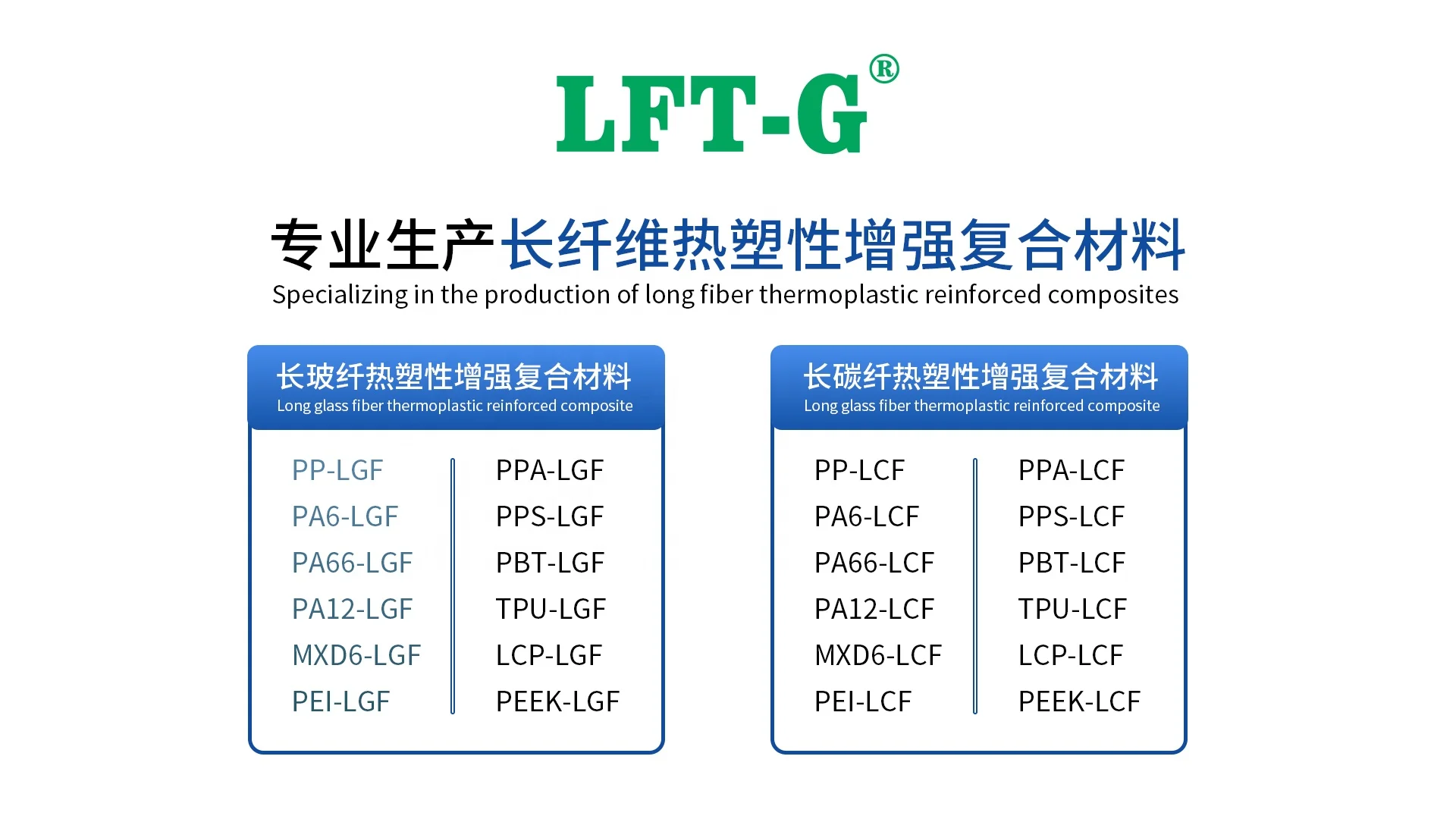
A LFT-G é especializada em materiais termoplásticos reforçados com fibras longas, oferecendo uma gama completa de graus de PA6 e PA66 com reforço de fibra de vidro ou fibra de carbono, bem como opções retardantes de chama e endurecidas. Nossos materiais cobrem aplicações desde componentes de uso geral até peças de alta temperatura e serviço pesado.
Não tem certeza de qual material é o certo para sua aplicação? Envie-nos suas condições operacionais, requisitos de desempenho e parâmetros de processamento. Nossa equipe técnica pode avaliar a melhor solução de material com base em fatores que incluem cristalinidade, absorção de umidade e opções de modificação. Pedidos de amostras também são bem-vindos, permitindo que você valide a adequação do material com dados de teste do mundo real.
Siga-nos :


-- obtenha atualizações com os tópicos mais recentes

 o email
 português
 English
 français
 Deutsch
 русский
 italiano
 español
 العربية
 日本語
日本語 한국의
한국의 中文
中文