novo blog
Até hoje, o Boeing 787 Dreamliner O Boeing 787 continua sendo um modelo fundamental na frota da Boeing. Apesar dos anos de atrasos para o Boeing 777X e das controvérsias em torno do 737 MAX, o 787 continua se destacando por seu design avançado e excepcional eficiência de combustível.
foto
A flexibilidade das asas é uma consideração rotineira no projeto de aeronaves, mas As asas do 787 Atingir um nível extraordinário. Isso é resultado da inovação integrada em ciência dos materiais, aerodinâmica e engenharia estrutural — e não mera estética.
小标题1Durante a certificação de aeronavegabilidade, a Boeing carregou as asas para 150% do seu limite de projeto . Deflexão máxima atingida 7,62 metros , enquanto a flexibilidade operacional normal é sobre 5,2 metros .
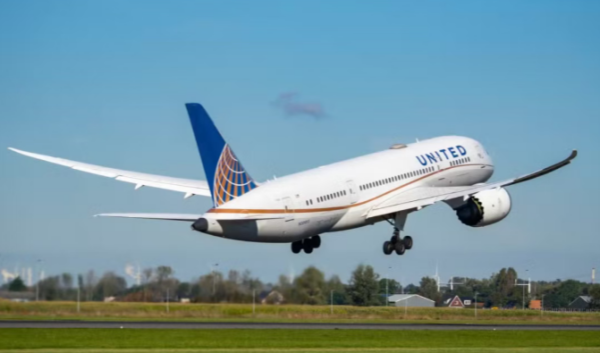
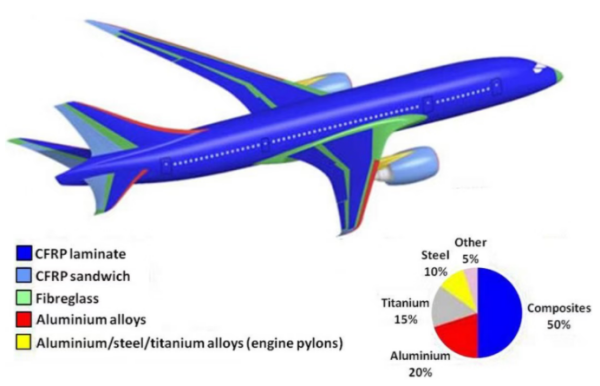
A flexibilidade das asas do 787 resulta do uso extensivo de Polímero reforçado com fibra de carbono (CFRP) Este material compósito avançado combina alta resistência, leveza e maior elasticidade do que as ligas de alumínio tradicionais.
O 787 foi a primeira aeronave comercial a adotar CFRP em tal escala, estabelecendo um novo padrão global na engenharia aeroespacial.
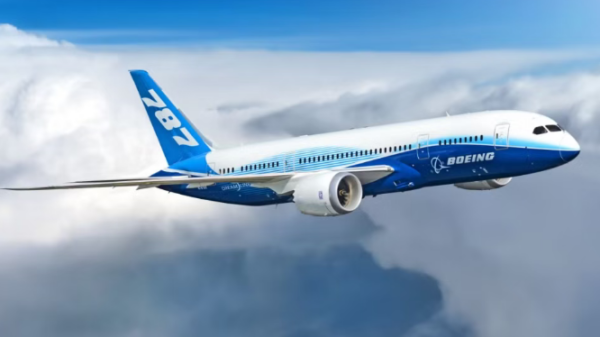
As asas flexíveis mantêm uma distribuição de sustentação mais uniforme, reduzem o estresse estrutural localizado e aumentam a durabilidade a longo prazo. Elas também diminuem os custos de manutenção, ao mesmo tempo que melhoram a eficiência aerodinâmica e o conforto dos passageiros.
Durante a decolagem e a subida, quando a aeronave está mais pesada, as asas atingem a deflexão máxima, otimizando a eficiência de combustível. As asas flexíveis também absorvem as rajadas de vento, melhorando a suavidade do voo.
Tanto o Boeing 787 quanto o Airbus A350 incorporam sistemas de alívio de rajadas de vento que funcionam em conjunto com asas flexíveis para aumentar o conforto dos passageiros.
A criação das asas do 787 envolveu extensa pesquisa, testes em túnel de vento e modelagem CFD avançada. Parâmetros-chave como altura da longarina, espessura da asa e composição do material compósito foram otimizados tanto para eficiência aerodinâmica quanto para estabilidade estrutural.
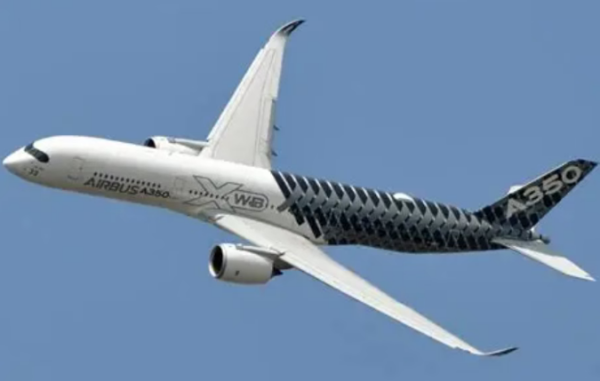
O Airbus A350 possui menor flexibilidade alar devido às suas escolhas de projeto. Suas asas mais espessas e retas, com winglets integrados, contrastam com as pontas das asas mais finas e enflechadas do 787. A maior área alar do A350 reduz a carga alar, limitando a deflexão.
A Airbus prioriza a eficiência por meio de asas mais rígidas, enquanto a Boeing obtém ganhos de desempenho através de estruturas flexíveis.
Tanto a Boeing quanto a Airbus integraram com sucesso compósitos de fibra de carbono a tecnologias de design avançadas. Os modelos 787 e A350 são amplamente utilizados hoje em dia, demonstrando a viabilidade e as vantagens de diferentes abordagens tecnológicas.
Siga-nos :


-- obtenha atualizações com os tópicos mais recentes

 o email
 português
 English
 français
 Deutsch
 русский
 italiano
 español
 العربية
 日本語
日本語 한국의
한국의 中文
中文