o email
 português
 English
 français
 Deutsch
 русский
 italiano
 español
 العربية
 日本語
日本語 한국의
한국의 中文
中文


-
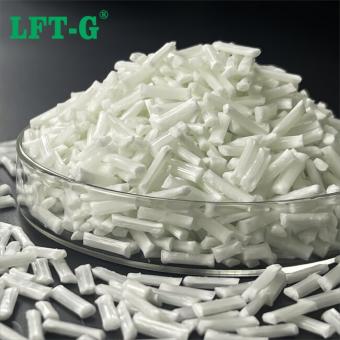
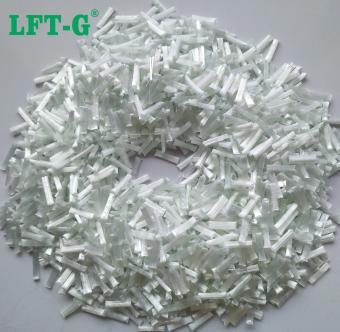
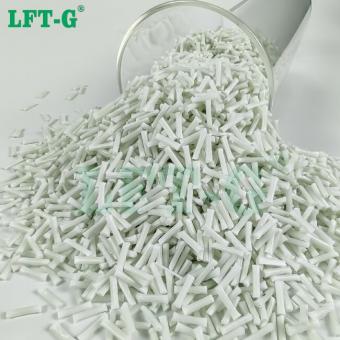
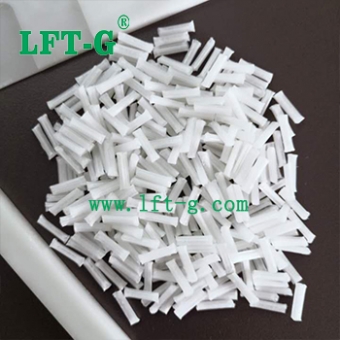
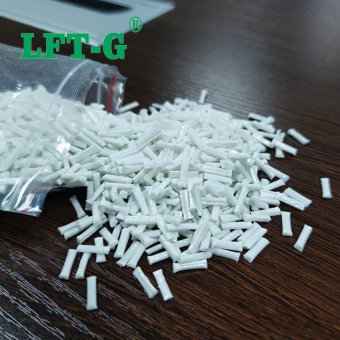
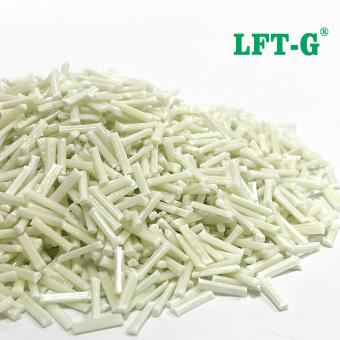
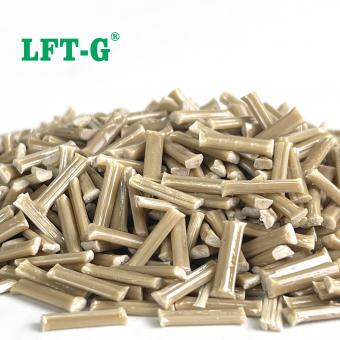
Compostos termoplásticos reforçados com fibra de vidro longa de enchimento de HDPEPolietileno de alta densidade (HDPE), também chamado de polietileno de alta densidade (PEHD), é um polímero termoplástico feito a partir do monômero etileno. Quando usado em tubos de HDPE, às vezes é chamado de "alkathene" ou "polythene". Com uma alta relação resistência-densidade, o polietileno de alta densidade (HDPE) é usado para produzir tubulações resistentes à corrosão. Além disso, o HDPE é comumente reciclado.
- preenchimento HDPE lgf20
- materiais compósitos de HDPE LGF
- resina plástica HDPE reforçada
- fibra de vidro longa hdpe
- hdpe termoplástico lgf
- compostos de resina hdpe
Tags :
-
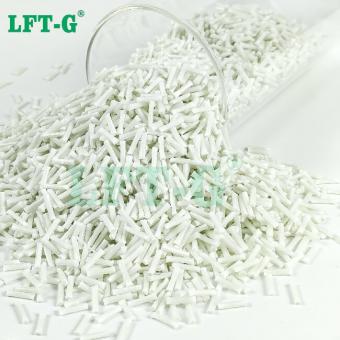
Compósitos reforçados com fibra de vidro longa da série de copolímero PA 6Com uma equipe técnica experiente no setor, fornecemosmateriais compósitos de fibra de vidro longa de Nylon 6 de alta qualidadepara ajudar os clientes a melhorar o desempenho dos produtos e otimizar os custos de produção.
- fibra de vidro PA6
- termoplástico de fibra longa de vidro
- material plástico PA6
- poliamida 6 LGF
- fornecimento de nylon PA6 tingido personalizado
Tags :
-
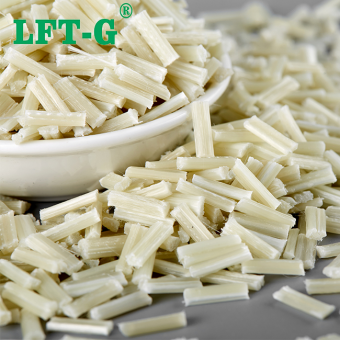
Pellets de Polímero PP Copolímero de Alto Impacto com Fibra de Vidro LongaCombinando a flexibilidade do polipropileno e as propriedades do material composto PP-GF, a fibra de vidro aumenta o desempenho e traz confiabilidade ao mercado.
- PP copolímero
- usos de copolímero
- propriedades de inflamabilidade
- compósito leve
- preço por kg de polímero reforçado com fibra de vidro
- fornecedor de moldagem por injeção de plástico PP
Tags :
-
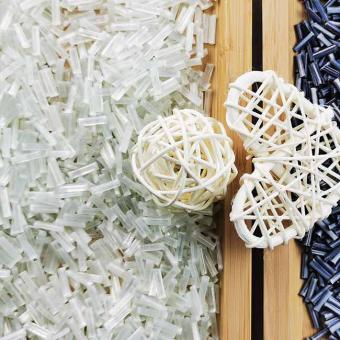
Compósitos Reforçados com Fibra de Vidro Longa Série ABS Copolímeromoldagem por injeção de ABS refere-se ao processo de injetar plástico ABS fundido em um molde sob altas pressões e temperaturas. Existem muitas aplicações de moldagem por injeção de ABS, pois é um plástico amplamente utilizado e pode ser encontrado nas indústrias automotiva, de produtos de consumo e de construçãopara citar algumas.
- LFT-G
- significado de abs material
- fibra de vidro de abs
- fabricante de grânulos de abs
- preço de grânulos de plástico por kg
- plásticos eletrônicos
Tags :
-
PP reforçado com fibra de vidro longa com altas propriedades mecânicasIntrodução ao PP homopolímero reforçado com fibra de vidro longa O polipropileno homopolímero reforçado com fibra de vidro longa (PP-H LGF) é um compósito termoplástico de alto desempenho projetado para proporcionar excelente rigidez, maior resistência ao impacto e eficiência de custo, mantendo a natureza leve do polipropileno. Composição e Estrutura O PP-H LGF consiste em uma matriz de polipropileno homopolímero reforçada com fibras de vidro longas, permitindo uma transferência eficaz de tensão e desempenho mecânico significativamente aprimorado em comparação com PP reforçado com fibras curtas ou preenchido com minerais. Principais Características Alta rigidez e resistência Excelente relação custo-desempenho Material leve Maior resistência ao impacto (em comparação com PP de fibra curta) Boa estabilidade dimensional Excelente processabilidade (moldagem por injeção) Aplicações Típicas Peças internas e estruturais automotivas Carcaças de eletrodomésticos Componentes de equipamentos industriais Carcaças de ferramentas elétricas Paletes e componentes logísticos Nosso Processo de Trabalho Comunicação dos requisitos do cliente Seleção de material e recomendação técnica Preparação de amostras e suporte de COA Confirmação do pedido e entrega Suporte técnico de processamento Ficha Técnica (PP-H LGF40%) Propriedade Unidade Valor Resistência à tração MPa 135 Módulo de tração GPa 8945 Resistência à flexão MPa 189 Temperatura de deflexão térmica °C 159 Densidade g/cm³ 1.21 Perguntas frequentes O que é PP-H LGF? É um polipropileno homopolímero reforçado com fibras de vidro longas para melhorar a resistência mecânica e a rigidez. Quais são as vantagens do PP-LGF? Ele oferece um equilíbrio entre custo, propriedades de leveza e desempenho mecânico aprimorado em comparação com o PP convencional. Para que é usado o PP-H LGF? É amplamente utilizado em aplicações automotivas, eletrodomésticos, peças industriais e logística. O PP-LGF pode substituir o metal? Em muitas aplicações estruturais, ele pode substituir o metal devido à sua alta relação rigidez-peso. O PP-H LGF é adequado para moldagem por injeção? Sim, ele é projetado especificamente para a moldagem por injeção de componentes estruturais. Precisa de suporte técnico para materiais PP-H LGF? Entre em contato com nossa equipe de engenharia para obter orientação sobre seleção de materiais, recomendações de processamento e fichas técnicas. Contato Sobre a LFT-G A Xiamen LFT Composite Plastic Co., Ltd. é uma fabricante global de termoplásticos reforçados com fibras longas (LFT), oferecendo PP, PA6, PA66, PPA, PPS, TPU e outros plásticos de engenharia reforçados com fibras longas de vidro ou carbono. Nossos produtos são amplamente utilizados em aplicações automotivas, elétricas, industriais e de novas energias.
- Plástico PP homopolímero LFT-G
- PP moldado por injeção com LGF na cor natural
- Plástico composto de polipropileno modificado
- preço do pp gf30 para conector elétrico
- pellets de PP polímero lgf 30
- peças automotivas de PP fabricadas em fábrica
Tags :
-
Pellets de poliamida 12 com fibra de vidroIntrodução à PA12 Reforçada com Fibra de Vidro Longa A PA12 Reforçada com Fibra de Vidro Longa (Poliamida 12) é um compósito termoplástico de engenharia de alto desempenho que combina excelente tenacidade, baixa absorção de umidade e reforço com fibra de vidro longa para proporcionar resistência mecânica superior e estabilidade dimensional. Composição e Estrutura A PA12-LGF consiste em uma matriz de PA12 reforçada com fibras de vidro longas, proporcionando excelente resistência ao impacto, desempenho à fadiga e estabilidade a longo prazo mesmo em ambientes agressivos. Principais Características Excelente Resistência ao Impacto Baixa Absorção de Umidade Alta Resistência e Rigidez Excelente Estabilidade Dimensional Boa Resistência Química Material de Engenharia Leve Aplicações Típicas Componentes estruturais automotivos Carcaças elétricas e eletrônicas Peças de equipamentos industriais Componentes de sistemas de fluidos (resistentes à umidade e produtos químicos) Nosso Processo de Trabalho Comunicação dos Requisitos do Cliente Seleção de Material e Recomendação Técnica Preparação de Amostras e Suporte de COA Confirmação do Pedido e Entrega Acompanhamento Técnico e Suporte de Processamento Ficha Técnica (PA12-LGF40%) Propriedade Unidade Valor Resistência à Tração MPa 260 Módulo de Tração GPa 15080 Resistência à Flexão MPa 430 Temperatura de Deflexão Térmica °C 260 Densidade g/cm³ 1.22 FAQ O que é PA12 reforçado com fibra de vidro longa? É um compósito de alto desempenho que combina resina PA12 com fibras de vidro longas para melhorar o desempenho mecânico e dimensional. Quais são as vantagens do PA12-LGF? Oferece baixa absorção de umidade, alta tenacidade e excelente estabilidade dimensional em comparação com outros nylons. Quais aplicações utilizam PA12-LGF? É amplamente utilizado em aplicações automotivas, elétricas, industriais e de manuseio de fluidos. O PA12-LGF pode substituir o metal? Sim, em muitas aplicações estruturais ele pode substituir o metal devido à sua alta relação resistência-peso e resistência à corrosão. O PA12-LGF é adequado para moldagem por injeção? Sim, é totalmente adequado para a moldagem por injeção de peças complexas de engenharia. Precisa de suporte técnico para materiais PA12-LGF? Entre em contato com nossa equipe de engenharia para obter orientação sobre seleção de materiais, recomendações de processamento e suporte com documentação técnica. Contato Sobre a LFT-G A Xiamen LFT Composite Plastic Co., Ltd., estabelecida em 2009, é uma fornecedora global de materiais termoplásticos reforçados com fibras longas (LFT), integrando P&D, produção e vendas. Nossos produtos são certificados pelas normas ISO 9001 e IATF 16949 e são amplamente utilizados em aplicações industriais automotivas, aeroespaciais, de novas energias, equipamentos médicos, energia eólica, equipamentos esportivos e outras.
- O que é fibra de vidro
- PA12 preenchido com fibra de vidro
- Propriedades do material de náilon preenchido com fibra de vidro
- Pellets de plástico modificados
- Plástico LFT
- Poliamida 12 com 40% de fibra de vidro
Tags :
-
Ácido polilático PLA LFT com enchimento e reforço de fibra de vidro longaO PLA é frequentemente considerado biodegradável.
- Propriedades do PLA reforçado com fibra de vidro longa
- Resistência e durabilidade do PLA com fibra de vidro longa
- Aplicações de compósitos de PLA com fibra de vidro longa
- Materiais PLA de fibra de vidro longa de alto desempenho
- PLA de fibra de vidro longa vs. PLA de fibra curta
- Processo de fabricação de PLA de fibra de vidro longa
Tags :
-
Materiais reforçados de PPA LFT-G com pellets de fibra de vidro longa para peças automotivasPlástico PPA O PPA é produzido pela policondensação de diaminas alifáticas ou diaminas aromáticas contendo anéis de benzeno. Em comparação com as poliamidas alifáticas, a introdução de anéis rígidos de benzeno na cadeia molecular melhora significativamente a resistência mecânica e a resistência ao calor, reduzindo a absorção de água. Em comparação com as poliamidas totalmente aromáticas, as poliamidas semiaromáticas contêm segmentos alifáticos flexíveis, resultando em pontos de fusão mais baixos e melhor processabilidade. Graças ao seu desempenho equilibrado, o PPA tornou-se um dos plásticos de engenharia especiais mais importantes, amplamente utilizado em eletrônica, componentes elétricos e na indústria automotiva. Compósitos de PPA reforçados com fibra de vidro longa Os compósitos de PPA reforçados com fibra de vidro são considerados um dos melhores materiais para substituição de metais devido à resistência a altas temperaturas, alta resistência mecânica e baixa densidade. O PPA reforçado com fibra de vidro longa apresenta propriedades mecânicas significativamente melhores em comparação com materiais reforçados com fibra de vidro curta. Comparação entre LCF e SGF Ficha técnica para referência Aplicações Clientes e nós Bem-vindo ao entrar em contato conosco.
- plástico modificado de poliftalamida PPA
- plástico PPA reforçado com resistência a altas temperaturas
- nylon PPA fabricado na China com enchimento de fibra de vidro longa
- materiais PPA rígidos com altas propriedades mecânicas
- resina plástica segura PPA que pode ser reciclada
- fornecedor de PPA moldado por injeção com bom preço
Tags :
-
Plásticos de engenharia de resina de poliuretano termoplástico preenchidos com fibra de vidro longaPoliuretano termoplástico reforçado com fibra de vidro longa (TPU-LGF) O poliuretano termoplástico (TPU) é um elastômero de alto desempenho composto por segmentos rígidos e flexíveis alternados, combinando elasticidade semelhante à borracha com as vantagens de processamento dos termoplásticos. O TPU oferece excelente resistência à abrasão, flexibilidade, resistência ao impacto e resistência ao calor, tornando-o amplamente utilizado em bens de consumo, automóveis, aplicações médicas, construção e aplicações industriais. O que é TPU reforçado com fibra? Embora o TPU tenha excelente tenacidade e resistência ao impacto, algumas aplicações exigem maior rigidez e estabilidade dimensional. Ao adicionar fibra de vidro longa (LGF), o TPU pode ser significativamente aprimorado em termos de módulo, resistência e estabilidade térmica. Os compósitos de TPU reforçados com fibra proporcionam uma combinação equilibrada de elasticidade e desempenho estrutural, tornando-os adequados para aplicações de engenharia e de suporte de carga. Vantagens dos materiais TPU-LGF Alto módulo elástico e rigidez aprimorada Excelente resistência ao impacto e absorção de energia Boa resistência ao calor e estabilidade térmica Estabilidade dimensional superior Baixo coeficiente de expansão térmica Excelente resistência à corrosão e a produtos químicos Fibra de vidro longa versus fibra de vidro curta em TPU Comparada à fibra de vidro curta (SGF), a fibra de vidro longa (LGF) proporciona desempenho mecânico significativamente superior devido à melhor retenção do comprimento da fibra e a redes de reforço mais fortes. 1–3× maior tenacidade do que sistemas com fibra curta 0,5–1× maior melhoria na resistência à tração Melhor eficiência de transferência de carga Efeito de reforço estrutural mais forte O TPU reforçado com fibra de vidro longa é especialmente adequado para peças estruturais grandes e aplicações de engenharia que exigem flexibilidade e resistência. Termoplásticos versus termofixos Os termofixos passam por reticulação química irreversível durante a cura e não podem ser remodelados após a conformação. Em contraste, os termoplásticos podem ser repetidamente amolecidos e remodelados sob calor sem alteração química. O TPU pertence aos materiais termoplásticos, oferecendo reciclabilidade, processabilidade e excelente desempenho mecânico. Aplicações do TPU-LGF Componentes internos e estruturais automotivos Cabos de carregamento e sistemas de proteção de fios Mangueiras industriais e tubos flexíveis Equipamentos esportivos e componentes de calçados Dispositivos médicos e vestíveis Dados técnicos do TPU-LGF (referência) Detalhes do produto Grau Comprimento da fibra Cor Amostra Quantidade mínima de pedido Embalagem Prazo de entrega TPU-NA-LGF30 12 mm (personalizável) Natural (personalizável) Disponível 25 kg 25 kg/saco 7–15 dias após o envio Sobre a Xiamen LFT Composite Plastics Co., Ltd. A Xiamen LFT Composite Plastics Co., Ltd. é especializada em termoplásticos reforçados com fibras longas (LFT e LFRT), incluindo materiais compósitos de Fibra de Vidro Longa (LGF) e Fibra de Carbono Longa (LCF). Nossos materiais são compatíveis com moldagem por injeção (LFT-G), extrusão e processos LFT-D personalizados. O comprimento das fibras varia de 5 mm a 25 mm, dependendo dos requisitos da aplicação. A empresa é certificada pelas normas ISO 9001 e IATF 16949, com diversas patentes em tecnologia de compósitos de fibras longas.
- Aparelho eletrônico com baixa deformação
- TPU LGF30 para biqueira reforçada
- Pellets de TPU de fabricação própria em vez de metal
- Materiais de resina TPU diferentes reforçados com LGF
- Pellets de TPU reforçados de alta resistência e alta tenacidade
- Polímero de pellets de TPU de fabricação própria
Tags :
-
Material LFT-G compósito de PPS com fibra de vidro longa para peças de eletrodomésticosNúmero do produto: PPS-NA-LGF Especificação da fibra: 20%-60% Característica: retardante de chama 94-VO, alta tenacidade, baixa deformação, resistência à fadiga, boa aparência do produto Aplicação: impulsor de aquecedor de água, carcaça de bomba, junta, válvula, impulsor de bomba química, carcaça, impulsor de água de resfriamento, carcaça, peças de eletrodomésticos
- PPS retardante de chama grau virgem 94-VO
- Fábrica própria de alta tenacidade
- Moldado por injeção com baixa deformação
- Preço de fornecedor de impulsor para aquecedor de água
- Carcaça de bomba com altas propriedades mecânicas
- Amostra disponível pelo melhor preço
Tags :
-
Materiais de nylon de poliamida 6 LFT-G preenchidos com fibra de vidro de 20%-60%PA66 Termoplástico Reforçado com Fibra de Vidro Longa (PA66-LGF) A Poliamida 66 (PA66) é um dos termoplásticos de engenharia mais amplamente utilizados. Oferece excelente resistência mecânica, resistência ao desgaste, propriedades de isolamento e resistência química, tornando-a adequada para aplicações industriais exigentes. No entanto, a PA66 também possui limitações, como absorção de água relativamente alta, instabilidade dimensional sob umidade e desempenho de impacto reduzido em baixas temperaturas. Para superar essas deficiências, o reforço com fibra de vidro longa é amplamente utilizado para melhorar significativamente seu desempenho. Por que Reforçar a PA66 com Fibra de Vidro Longa? A adição de fibra de vidro longa (LGF) à resina PA66 melhora significativamente suas propriedades mecânicas e térmicas, mantendo boa processabilidade. Maior resistência à tração e resistência à flexão Maior resistência ao impacto Temperatura de deflexão térmica aprimorada Melhor estabilidade dimensional Maior resistência química A melhoria de desempenho está estreitamente relacionada ao teor de fibra. Normalmente, a PA66 com 20%–40% de fibra de vidro longa apresenta um aumento significativo na resistência, rigidez e capacidade de suportar carga. Principais Vantagens dos Materiais PA66-LGF 1. Alta Resistência Mecânica O reforço com fibra de vidro longa melhora significativamente a resistência à tração, flexão e impacto, tornando a PA66 adequada para componentes estruturais. 2. Excelente Resistência ao Calor Os materiais PA66-LGF mantêm a estabilidade sob altas temperaturas e são adequados para aplicações automotivas sob o capô. 3. Melhor Estabilidade Dimensional A redução da contração e do empenamento garante maior precisão em peças moldadas. 4. Maior Resistência ao Desgaste Ideal para componentes móveis e que suportam carga, como engrenagens e carcaças mecânicas. Ficha técnica para referência Testes de qualidade Certificações Visão geral da fábrica Sobre a Xiamen LFT Composite Plastics Co., Ltd. A Xiamen LFT Composite Plastics Co., Ltd. é uma fabricante profissional especializada em termoplásticos reforçados com fibra longa (LFT & LFRT), incluindo materiais compósitos de Fibra de Vidro Longa (LGF) e Fibra de Carbono Longa (LCF). Nossos materiais são amplamente utilizados em aplicações automotivas, elétricas e eletrônicas, equipamentos industriais, novas energias e aplicações estruturais. Oferecemos suporte tanto para processos de moldagem por injeção (LFT-G) quanto para processos de extrusão, com comprimento de fibra personalizável variando de 5 mm a 25 mm. A empresa possui certificação ISO 9001 e IATF 16949 e detém múltiplas patentes em tecnologia de compósitos de fibra longa. Principais Produtos
- peças de eletrodomésticos de nylon PA66 preenchido com LGF
- compostos de PA66 para peças eletrônicas
- compósito de PA66 com fibra de vidro de baixa deformação
- resina termoplástica PA66 com fibra
- materiais de PA66 de fibra longa para peças de aparelhos eletrônicos
- nylon PA66 preenchido com fibra longa branca
Tags :
-
PBT tereftalato de polibutileno com compostos reforçados com fibra de vidro longaO PBT possui propriedades semelhantes às do PET (polietileno tereftalato). É conhecido por sua estabilidade dimensional, baixa absorção de umidade, alta resistência, rigidez e resistência química, aos raios UV e térmica. É comumente usado em para-lamas automotivos e peças de acabamento interior, carcaças de ferramentas elétricas e invólucros elétricos.
- Pellets de PBT reforçados com fibra de vidro
- Materiais compostos industriais de PBT
- PBT para substituir metal
- PBT com altas propriedades para caixas elétricas
- PBT reforçado com fibra longa
- fabricante chinês de PBT com bom preço e armazém
Tags :