o email
 português
 English
 français
 Deutsch
 русский
 italiano
 español
 العربية
 日本語
日本語 한국의
한국의 中文
中文


À medida que as temperaturas globais continuam a subir, os aparelhos de ar condicionado tornaram-se uma parte essencial da vida cotidiana. As recentes ondas de calor em toda a Europa provocaram um aumento na demanda por aparelhos de ar condicionado, dando maior ênfase ao desempenho do produto, à durabilidade e à operação silenciosa.
Por trás de cada aparelho de ar condicionado de alto desempenho há mais do que um compressor eficiente ou um sistema de controle avançado — a escolha do material desempenha um papel fundamental. Para atender à crescente demanda por sistemas HVAC leves, de baixo ruído e longa duração, os plásticos de engenharia estão substituindo cada vez mais os componentes metálicos tradicionais em rotores de ventiladores, carcaças de sopradores, suportes de motores, estruturas e outras peças essenciais.
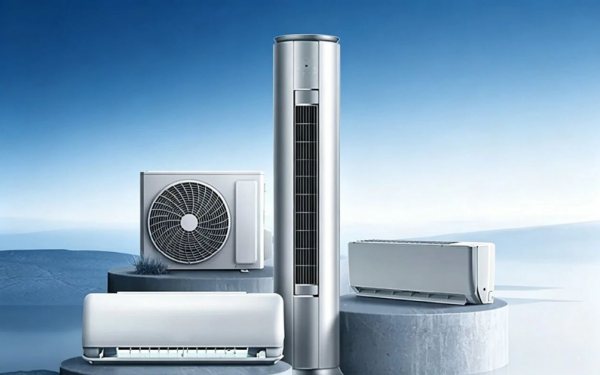
Então, quais plásticos de engenharia são mais comumente usados em aparelhos de ar condicionado? Quais vantagens cada material oferece? E por que os termoplásticos reforçados com fibra de vidro longa (LFT) de alta rigidez estão se tornando a escolha preferida para componentes HVAC de próxima geração?
Neste artigo, exploraremos os plásticos de engenharia mais utilizados em aparelhos de ar condicionado e explicaremos como os materiais compósitos de alto desempenho ajudam a reduzir ruído e vibração, melhorar a resistência estrutural e aumentar a eficiência e a confiabilidade geral dos modernos sistemas de ar condicionado.
Desafios na Seleção de Plásticos de Engenharia para Aparelhos de Ar Condicionado
A seleção de materiais desempenha um papel fundamental no projeto e no desempenho dos modernos sistemas de ar condicionado. Além dos custos de fabricação, o plástico de engenharia adequado afeta diretamente a durabilidade do produto, a resistência estrutural, os níveis de ruído e a confiabilidade a longo prazo. No entanto, selecionar o material ideal nem sempre é simples. Os fabricantes de aparelhos de ar condicionado normalmente enfrentam dois grandes desafios:
1. Seleção Complexa de Materiais
Uma ampla variedade de plásticos de engenharia — incluindo PP, ABS, PA, PBT, PPS e termoplásticos reforçados com fibra de vidro longa (LFT) — oferece diferentes vantagens em termos de resistência mecânica, resistência térmica, estabilidade dimensional, processabilidade e custo. Escolher o material mais adequado para cada componente exige equilibrar os requisitos da aplicação com desempenho e orçamento. Uma escolha inadequada de material pode levar ao aumento de ruído e vibração, redução da vida útil ou custos de fabricação desnecessários.
2. Equilíbrio entre Múltiplos Requisitos de Desempenho
Os aparelhos de ar condicionado modernos exigem materiais que ofereçam alta rigidez e, ao mesmo tempo, excelente resistência térmica, retardância de chama, resistência à fadiga, estabilidade dimensional e desempenho eficiente em moldagem por injeção. Ao mesmo tempo, os fabricantes devem desenvolver projetos leves, manter a eficiência de custos e garantir alta produtividade de produção. Encontrar o equilíbrio adequado entre esses requisitos concorrentes continua sendo um dos maiores desafios na seleção de materiais HVAC.
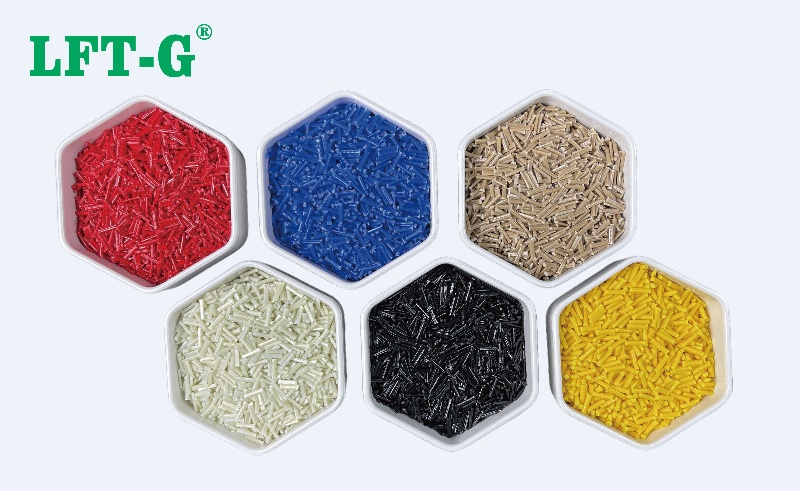
Plásticos de Engenharia Utilizados em Aparelhos de Ar Condicionado
01. ABS – O Material Preferido para Componentes Externos
Aplicações Típicas
O ABS é amplamente utilizado em peças externas visíveis, como painéis frontais, painéis de controle, capas decorativas e outros componentes estéticos. Essas peças são os primeiros elementos percebidos pelos consumidores, tornando a aparência, a qualidade superficial e a durabilidade considerações essenciais de projeto.
Principais Vantagens
O ABS oferece um excelente acabamento superficial com alto brilho, tornando-o ideal para carcaças de aparelhos de ar condicionado com aparência premium. Sua excelente capacidade de pintura também permite que os fabricantes obtenham uma ampla variedade de cores, texturas e efeitos decorativos para atender a diferentes projetos de produtos.
Além disso, o ABS proporciona excelente resistência ao impacto, ajudando os componentes externos a suportarem manuseio diário, impactos acidentais e uso prolongado, mantendo sua aparência. Sua boa processabilidade e relação custo-benefício fizeram do ABS um dos plásticos de engenharia mais utilizados em aplicações externas de aparelhos de ar condicionado.
02. PP e PP Modificado – A Escolha Econômica para Componentes Funcionais
Aplicações Típicas
O polipropileno (PP) é amplamente utilizado em componentes sem função estrutural de suporte de carga, como filtros de ar, bandejas de drenagem, suportes internos e diversas peças funcionais. Embora esses componentes não sejam muito visíveis, eles desempenham um papel essencial para garantir a operação confiável do sistema de ar condicionado.
Principais Vantagens
O PP oferece excelente tenacidade em baixas temperaturas e boa resistência química, permitindo suportar umidade, agentes de limpeza e uma ampla variedade de ambientes operacionais. Sua baixa densidade, fácil processabilidade e custo competitivo fazem dele um dos plásticos de engenharia mais econômicos para a produção em grande volume de aparelhos de ar condicionado.
Por que Modificar o PP?
O PP padrão pode ser aprimorado com reforço de fibra de vidro, aditivos retardantes de chama ou cargas minerais para atender a requisitos de desempenho mais exigentes. O PP modificado oferece rigidez significativamente maior, melhor estabilidade dimensional, maior resistência térmica e melhor desempenho retardante de chama, mantendo as vantagens de custo do PP convencional. Como resultado, tornou-se um material preferido para muitos componentes estruturais e funcionais HVAC onde resistência, segurança e eficiência de custos precisam ser cuidadosamente equilibradas.
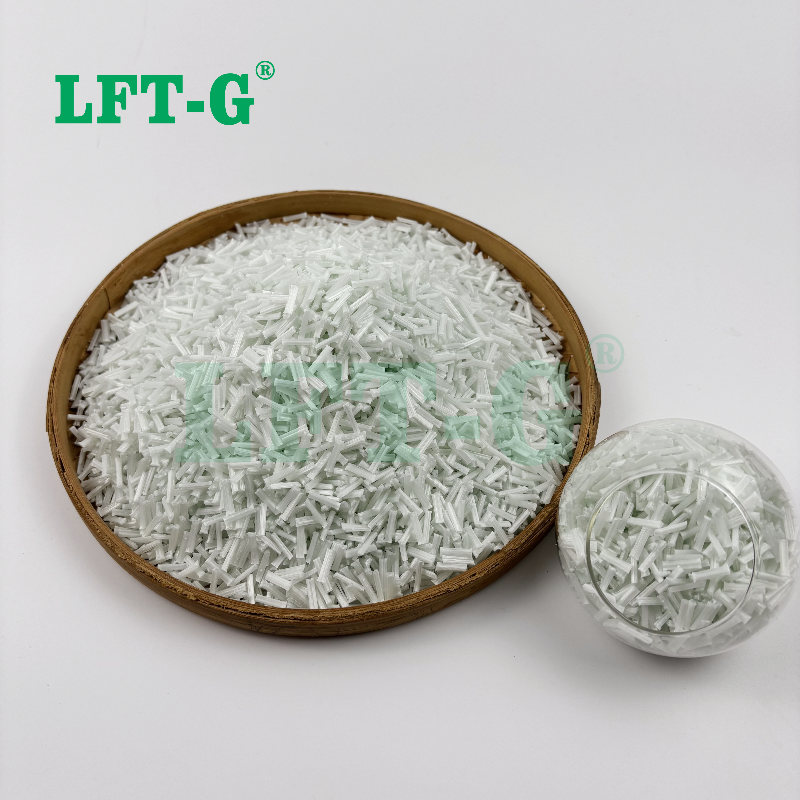
Termoplástico Reforçado com Fibra de Vidro Longa de PP (LGF-PP)