o email
 português
 English
 français
 Deutsch
 русский
 italiano
 español
 العربية
 日本語
日本語 한국의
한국의 中文
中文


-
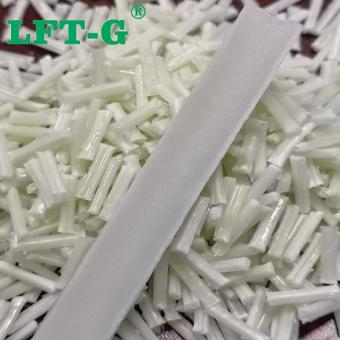
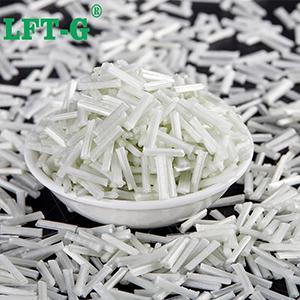
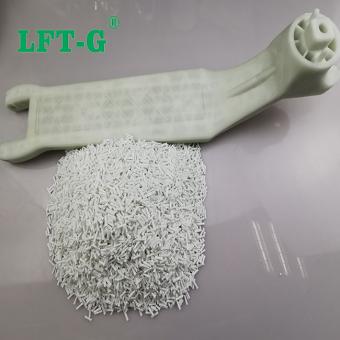
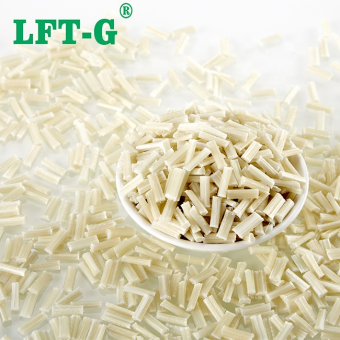
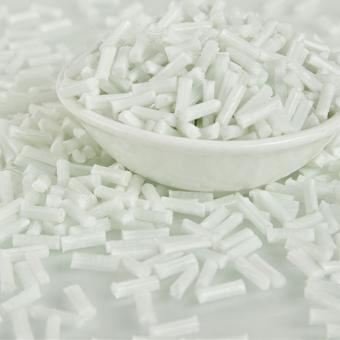
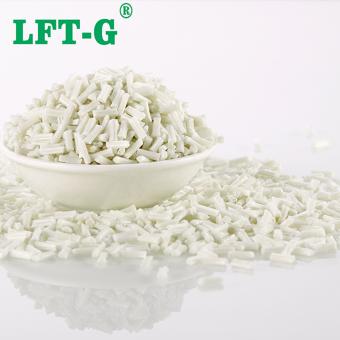
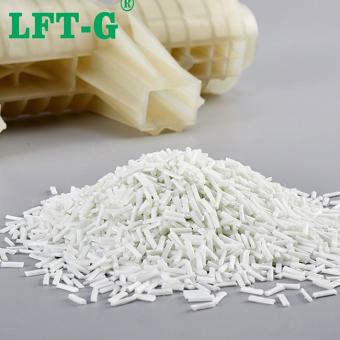
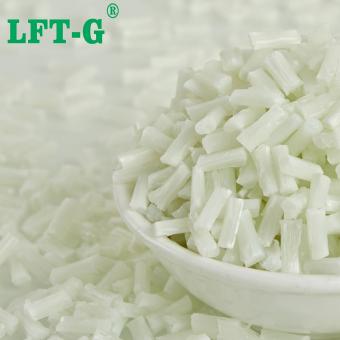
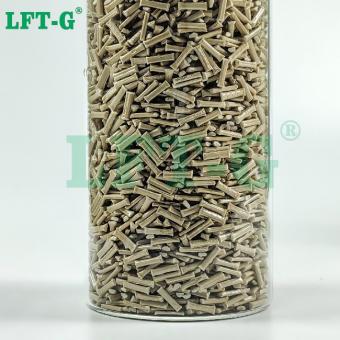
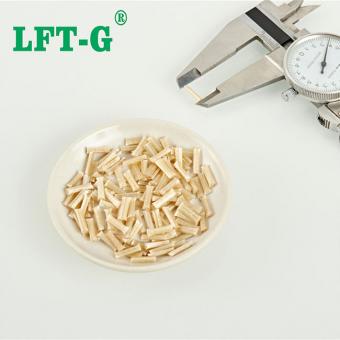
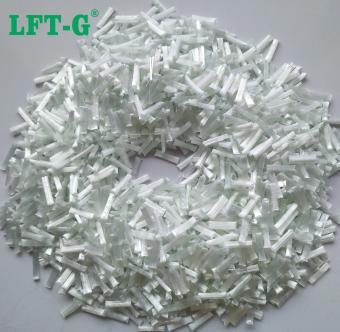
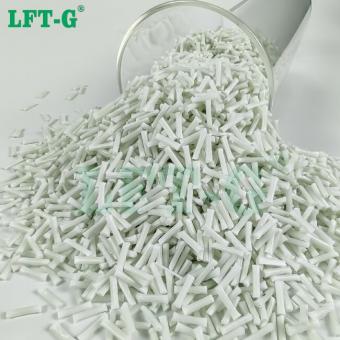
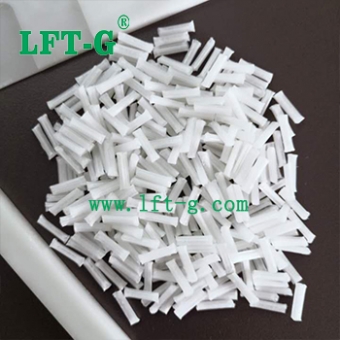
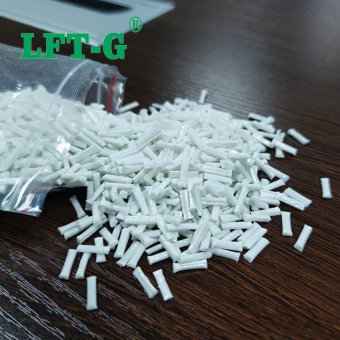
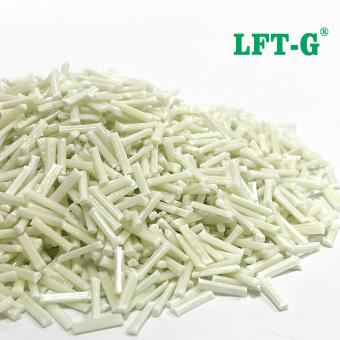
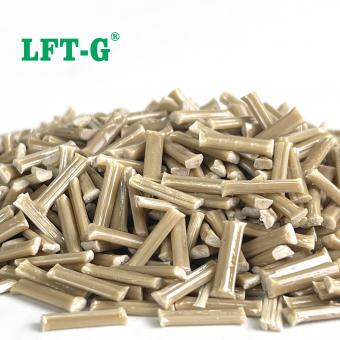
Xiamen LFT-G, enchimento composto MXD6 de alta tenacidade com fibra de vidro longa na cor original.Nylon - MXD6 é um tipo de resina poliamida cristalina, sintetizada pela condensação de m-benzoilamina e ácido adípico.
- Resina de nylon cristalina mxd6 gf com bom preço
- Materiais compósitos com fibra de vidro longa mxd6
- Plástico de alto desempenho mxd6
- Produtos fabricados na China compostos mxd6
- Fibra de vidro plástica personalizada adiciona alta resistência mxd6
- Resina termoplástica
Tags :
-
Xiamen LFT-G Polipropileno com enchimento de fibra de vidro longa, plástico modificado de alto desempenho, 12 mmPP-LGF O polipropileno (PP) reforçado com fibra de vidro geralmente apresenta resistência à tração entre 20M e 30MPa, resistência à flexão entre 25M e 50MPa e módulo de flexão entre 800M e 1500MPa. Se o PP for utilizado em peças estruturais de engenharia, deve ser reforçado com fibra de vidro. O polipropileno reforçado com fibra de vidro (PP), através do qual as propriedades mecânicas do produto podem ser multiplicadas ou até mesmo várias vezes aprimoradas. Especificamente, a resistência à tração atinge 65 MPa a 90 MPa, a resistência à flexão atinge 70 MPa a 120 MPa e o módulo de flexão atinge 3000 MPa a 4500 MPa. Tal resistência mecânica é totalmente comparável à do ABS e de produtos de ABS reforçado, além de apresentar maior resistência ao calor. O PP reforçado com fibra de vidro, o ABS comum e o ABS reforçado com fibra de vidro apresentam resistência térmica entre 80℃ e 98℃, enquanto o PP reforçado com fibra de vidro pode atingir temperaturas de 135℃ a 145℃. A modificação do PP com cargas, através da adição de uma certa quantidade de minerais inorgânicos, como talco, carbonato de cálcio, dióxido de titânio, mica, etc., pode melhorar a rigidez, a resistência ao calor e o brilho; a adição de fibra de carbono, fibra de boro e fibra de vidro pode melhorar a resistência à tração; a adição de retardantes de chama melhora a propriedade de retardamento de chama. A adição de agentes antiestáticos, corantes, dispersantes, etc., pode melhorar a propriedade antiestática, a coloração e a fluidez, entre outras características; a adição de agentes nucleantes pode acelerar a cristalização, aumentar a temperatura de cristalização, formar cristais esféricos menores e em maior quantidade, melhorando assim a transparência e a resistência ao impacto. Portanto, as cargas têm um efeito significativo na melhoria do desempenho de produtos plásticos, na melhoria da processabilidade da moldagem plástica e na redução de custos. Aplicativo Como um dos quatro materiais plásticos de uso geral, o PP apresenta excelente desempenho geral, boa estabilidade química, melhor desempenho de moldagem e preço relativamente baixo; porém, também apresenta baixa resistência, módulo de elasticidade e dureza, baixa resistência ao impacto em baixas temperaturas, contração durante a moldagem e envelhecimento precoce, entre outras desvantagens. Portanto, é necessário modificá-lo para que possa atender às demandas do produto. A modificação do material PP geralmente envolve a adição de reforço mineral para aumentar a tenacidade, modificação para resistência às intempéries, reforço com fibra de vidro, modificação retardante de chamas e modificação para aumentar a tenacidade, e cada tipo de PP modificado possui uma ampla gama de aplicações na área de eletrodomésticos. O polipropileno reforçado com fibra de vidro pode ser usado na fabricação de refrigeradores e máquinas de refrigeração de ar condicionado, como ventiladores axiais e de fluxo cruzado. Além disso, também pode ser usado na fabricação do tambor interno de máquinas de lavar de alta velocidade, rodas onduladas e rodas de correia, atendendo às altas exigências de propriedades mecânicas, bem como na base e alça de panelas de arroz, fornos de micro-ondas e em outros componentes que requerem alta resistência à temperatura. Polipropileno reforçado com fibra de vidro. O polipropileno comum reforçado com fibra de vidro curta, devido à sua composição de fibras curtas, apresenta facilidade de deformação, baixa resistência ao impacto e deformação quando aquecido. Já o polipropileno reforçado com fibra de vidro longa supera essas desvantagens, resultando em um produto com melhor acabamento superficial, maior resistência a temperaturas mais elevadas e maior resistência ao impacto, podendo ser utilizado em refrigeradores e eletrodomésticos de cozinha que exigem alta resistência térmica. O PP reforçado com fibra de vidro é um PP puro, ao qual se adicionam fibra de vidro e outros aditivos, ampliando assim a gama de aplicações do material. De modo geral, a maioria dos materiais reforçados com fibra de vidro é utilizada em componentes estruturais de produtos, sendo um tipo de material de engenharia estrutural. Ficha de dados Casos Xiamen LFT composite plastic Co., Ltd. A Xiamen LFT Composite Plastic Co., LTD, fundada em 2009, é uma fornecedora global de renome de materiais termoplásticos reforçados com fibras longas, integrando pesquisa e desenvolvimento (P&D), produção e comercialização. Nossos produtos LFT possuem certificação ISO9001 e 16949 e obtiveram diversas marcas registradas e patentes nacionais, abrangendo os setores automotivo, de peças militares e armas de fogo, aeroespacial, de novas energias, equipamentos médicos, energia eólica, equipamentos esportivos, entre outros.
- polipropileno de fibra de vidro longa de alto desempenho
- compósito de moldagem por injeção de PP
- Compostos de resina PP LFT GF
- Resina termoplástica PP LGF LFT fabricada na China
- Amostras de matérias-primas de PP para enchimento de LGF disponíveis.
- A indústria de PP utiliza materiais verdes de baixa tensão.
Tags :
-
LFT-G PA6 Poliamida 6 Nylon 6 enchimento fibra de vidro longa 40 cor original para peças automotivasNylon reforçado com fibra de vidro longa PA6 e PA6-LGF PA6, also known as Nylon 6, is a high-performance polyamide widely used in engineering plastics, fibers, and films. It is a thermoplastic polymer with repeating amide groups (-NH-CO-) in the main chain, offering strong mechanical properties and versatile processing capabilities. What is PA6 Plastic? PA6 is an aliphatic polyamide that provides excellent strength, wear resistance, and chemical resistance to weak acids, alkalis, and certain organic solvents. Its lightweight and processable nature make it widely applied in fibers, engineering plastics, and thin films. However, the polar amide groups in PA6 easily form hydrogen bonds with water molecules, which can result in high moisture absorption, dimensional changes, and reduced impact strength in dry or low-temperature conditions. Advantages of PA6 High mechanical strength and toughness with excellent tensile and compressive properties Outstanding fatigue resistance, maintaining strength after repeated bending High softening point, heat resistant Low friction and wear-resistant surface Corrosion resistance to alkalis, salts, weak acids, oils, and most solvents Self-extinguishing, non-toxic, odorless, and good weather and biological resistance Excellent electrical insulation even in high humidity environments Lightweight, easy to dye, and easy to mold due to low melting viscosity Limitations of PA6 High moisture absorption (up to 3% when saturated) Poor light and thermal stability; prolonged high-temperature exposure may cause discoloration and surface cracking Strict injection molding requirements; trace moisture can affect product quality Dimensional stability is sensitive to thermal expansion and wall thickness variations Not resistant to strong acids or oxidizing agents; unsuitable for acid-resistant applications Why Reinforce PA6 with Long Glass Fiber? To overcome the natural limitations of PA6, long glass fiber (LGF) reinforcement is applied. PA6-LGF composites combine the lightweight, chemical, and heat resistance of PA6 with the mechanical strength and dimensional stability of long glass fibers. LGF reinforcement improves tensile, compressive, and flexural strength, reduces shrinkage, enhances fatigue resistance, and provides improved thermal and chemical stability. This makes PA6-LGF ideal for high-performance structural components. Applications of PA6-LGF PA6 reinforced with 30% long glass fiber (30% LGF) is widely used in: Power tool shells and components Engineering machinery parts Automobile structural and functional components The composite improves mechanical strength, dimensional stability, heat resistance, aging resistance, and fatigue resistance. Its fatigue strength can be up to 2.5x that of unreinforced PA6. Processing and Forming Tips for 30% PA6-LGF Shrinkage is reduced to ~0.3% compared with 1–1.5% for pure PA6. Excessive fiber content may cause surface floating fibers and poor compatibility. 30% LGF is recommended for balanced performance. Recycled material content should be kept below 25% to avoid color and mechanical property degradation. Gradual cooling after molding prevents warping due to fiber orientation during injection molding. Mold design, gate position, and temperature control are critical. Customers & Staffs Certificates
- Compósito de poliamida 6
- resina termoplástica lgf
- PA6 de alto impacto
- moldagem por injeção de plástico
- fibra de vidro longa para enchimento de PA6
- Plástico reforçado
Tags :
-
LFT-G modificado com nylon 66 e PA66, composto de fibra de vidro longa para eletrodomésticos.PA66-LGF Nylon reforçado com fibra de vidro longa PA66, or Nylon 66, is a high-performance polyamide widely used in engineering plastics. It offers excellent mechanical properties including tensile strength, flexural strength, and impact resistance, along with superior thermal and chemical stability. With lightweight, high wear resistance, good electrical insulation, and self-extinguishing properties, PA66 is ideal for automotive, electrical, industrial equipment, and construction applications. Why Reinforce PA66 with Long Glass Fiber? While PA66 is versatile, it has limitations: high water absorption, low compressive strength when wet, poor alkali resistance, and potential deformation at ultra-low temperatures. Long glass fiber (LGF) reinforcement addresses these challenges. Adding LGF significantly improves impact resistance, thermal deformation resistance, mechanical performance, molding processability, and chemical resistance. LGF acts as a robust internal skeleton, enhancing the durability and reliability of PA66 components. PA66-LGF Technical Datasheet *The datasheet is tested by Xiamen LFT and provided for reference only.* Applications of PA66-LGF PA66 reinforced with 30% long glass fiber is ideal for high-performance applications such as: Automotive components and structural parts Power tool housings and mechanical parts Industrial equipment components For specialized applications, please consult our technical team. PA66-LGF Product Details Number Color Length Sample MOQ Port of Loading Delivery Time Payment Terms PA66-NA-LGF30 Original color (customizable) 12mm (customizable) Available 25kg Xiamen Port 7-15 days after shipment Discussed Xiamen LFT Composite Plastic Co., Ltd Xiamen LFT Composite Plastic Co., Ltd. is a leading manufacturer specializing in long fiber reinforced thermoplastics (LFT & LFRT), including Long Glass Fiber (LGF) and Long Carbon Fiber (LCF) series. Our thermoplastic LFT can be applied in LFT-G injection molding, extrusion molding, and LFT-D molding. We provide products according to customer requirements with fiber lengths from 5 to 25mm. Our continuous infiltration reinforced thermoplastics have passed ISO9001 & 16949 certifications and hold numerous national patents and trademarks. Our Services Technical parameters and leading-edge design of LFT & LFRT materials Mold front design recommendations Technical support for injection molding and extrusion molding processes
- Aparelhos eletrônicos de baixa deformação
- grânulos autossustentáveis de PA66
- Pelotas de PA66 reforçadas com alta resistência e alta tenacidade.
- grânulos de fibra de vidro longa PA66 LGF30 de melhor qualidade
- Pellets PA66 6 de parafuso duplo lgf
- Aplicação de grânulos de PA66 de fibra longa
Tags :
-
PLA (ácido polilático) composto de resina termoplástica de fibra de vidro longa para engenhariaPLA e LGFPLA – Bioplásticos ecológicos e reforçados PLA (Polylactic Acid) is a non-natural polyester and one of the most promising "green plastics." Known for its biocompatibility, biodegradability, and high mechanical strength, PLA can be completely degraded by microorganisms into CO₂ and water, making it non-toxic and environmentally friendly. PLA offers mechanical properties similar to polypropylene, while providing the gloss, clarity, and processability of polystyrene. With a lower processing temperature than polyolefins, PLA can be molded via injection molding, extrusion, blow molding, spinning, and other general plastic processes. Its applications range from disposable packaging and fibers to nonwovens, and extend to medical, chemical, pharmaceutical, and 3D printing industries. Long Glass Fiber Reinforced PLA (LGFPLA) Glass fiber is an inorganic non-metallic material with excellent insulation, heat resistance, corrosion resistance, and mechanical strength. When used to reinforce PLA, it creates Long Glass Fiber PLA (LGFPLA), a high-performance thermoplastic composite with glass fibers 10–25mm long, forming a 3D structure for superior strength and stability. LGFPLA is available as columnar pellets, typically 12mm (for injection molding) or 25mm (for compression molding) in length, with glass fiber content from 20% to 60%. Colors can be customized to match client requirements. Advantages of LGF vs SGF (Long Fiber vs Short Fiber PLA) Longer fiber length improves mechanical properties and part durability. High specific stiffness and strength, with excellent impact resistance — ideal for automotive parts. Improved creep resistance and dimensional stability for precise molding. Outstanding fatigue resistance and long-term reliability. Stable performance in high temperature and humid environments. Minimal fiber damage during molding due to fiber mobility within the mold. Technical Specifications Product Number Color Length Fiber Specification Package Sample Port of Loading Delivery Time PLA-NA-LGF Natural or customizable 6–25mm 20%–60% 25kg/bag Available Xiamen Port 7–15 days after shipment Lab & Factory Xiamen LFT Composite Plastic Co., Ltd. Xiamen LFT Composite Plastic Co., Ltd. specializes in developing and producing long glass fiber (LGF) and long carbon fiber (LCF) reinforced thermoplastic composites (LFT-G, LFRT, LFT). Our materials are lightweight, high-strength, impact-resistant, and environmentally friendly, offering excellent corrosion and chemical resistance along with superior molding performance. Our products are used across industries including automotive, aerospace, military, electrical, medical, sports equipment, and daily consumer goods, producing components such as gears, rollers, pulleys, pump impellers, fan blades, and more.
- PLA (plástico reforçado com PLA) para produção de LGF
- Materiais modificados para moldes de injeção de PLA LFT-G
- Compostos de fibra de vidro longa resina básica PLA
- Grânulos de PLA de fibra longa 30 fabricados na China
- Fabricante de polímeros PLA com autossuficiência para venda direta
- Grânulos de PLA puro, grau virgem, lft
Tags :
-
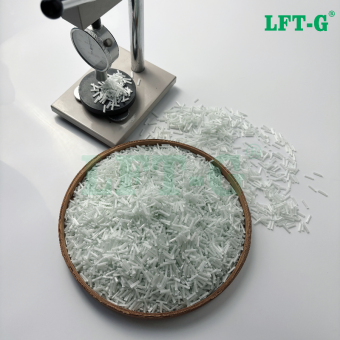
LFT-G, para uso industrial, enchimento de HDPE LGF 30%-60%, grânulos de alta tenacidade de 12 mm, amostra grátis.Plástico HDPE | HDPE reforçado com fibra de vidro longa O que é HDPE? O polietileno de alta densidade (PEAD) é um material termoplástico granular, atóxico, inodoro e altamente cristalino (80% a 90%). Possui um ponto de amolecimento de 125–135 °C e pode ser utilizado em temperaturas de até 100 °C. Comparado ao polietileno de baixa densidade (PEBD), o PEAD apresenta dureza, resistência à tração, resistência à fluência, resistência ao desgaste, isolamento elétrico, tenacidade e resistência ao frio superiores. Oferece também excelente estabilidade química, sendo insolúvel em qualquer solvente orgânico à temperatura ambiente e resistente à corrosão por ácidos, álcalis e diversos sais. Plásticos reforçados com fibra de vidro longa (LGF) Os plásticos reforçados com fibra de vidro longa (plásticos LGF) são criados adicionando fibras de vidro longas e outros aditivos a plásticos puros. Esse reforço melhora significativamente as propriedades mecânicas e térmicas do material, tornando-o adequado para aplicações estruturais e de engenharia. Os plásticos LGF são comumente usados com materiais como PP, ABS, PA66, PA6, HDPE, PPA, TPU, PEEK, PBT e PPS. Vantagens dos plásticos reforçados com fibra de vidro longa Maior resistência ao calor: As fibras de vidro melhoram o desempenho dos plásticos em altas temperaturas, especialmente em materiais à base de náilon. Redução do encolhimento e aumento da rigidez: o reforço com fibras restringe o movimento da cadeia polimérica, melhorando a estabilidade dimensional. Maior resistência ao impacto: Os plásticos reforçados resistem ao trincamento por tensão e possuem maior tenacidade. Maior resistência: A resistência à tração, compressão e flexão é significativamente melhorada devido às fibras de vidro de alta resistência. Retardância à chama: A adição de fibras e aditivos reduz a inflamabilidade, tornando a maioria dos plásticos reforçados não inflamáveis. Ficha técnica de HDPE/LGF Contate-nos Para obter mais informações sobre Plástico HDPE e HDPE reforçado com fibra de vidro longa Para obter informações sobre materiais, entre em contato com nossa equipe de vendas. Oferecemos suporte técnico, soluções personalizadas e amostras para suas aplicações industriais e de engenharia.
- Fibra de vidro longa de HDPE na cor branca.
- HDPE de alto desempenho com LGF
- plástico moldado por injeção hdpe virgem
- Grânulos de HDPE de cor original, 10-12 mm, resina polimérica.
- O plástico de engenharia HDPE pode ser reciclado.
- Compostos termoplásticos HDPE de alta rigidez
Tags :
-
MXD6 com enchimento de fibra de vidro longa 30 de alta tenacidade, moldagem por injeção, amostra na cor natural disponível.Plástico MXD6 | MXD6 reforçado com fibra de vidro longa (MXD6-LGF) O que é MXD6? Poliadipil-m-benzoilamina, comumente referida como MXD6 ou nylon MXD6 MXD6 é um termoplástico de engenharia de alto desempenho. Comparado a outros plásticos de engenharia, o MXD6 possui maior resistência mecânica e módulo de elasticidade. É também um náilon especial de alta barreira, com excelente resistência ao oxigênio e ao dióxido de carbono. Ao contrário do PVDC ou do EVOH, seu desempenho de barreira não é afetado pela temperatura ou umidade, tornando o MXD6 ideal para condições de alta temperatura e umidade. Desempenho estrutural e mecânico O náilon MXD6 apresenta alta resistência, alta rigidez, alta temperatura de deformação térmica, baixa expansão térmica, excelente estabilidade dimensional e baixa absorção de água. Suas propriedades mecânicas sofrem alterações mínimas após a absorção de água. O MXD6 possui baixa contração para conformação de precisão, excelente capacidade de pintura em altas temperaturas e propriedades de barreira excepcionais. Vantagens do MXD6 Mantém alta resistência e rigidez em uma ampla faixa de temperatura. Alta temperatura de deflexão térmica com baixo coeficiente de expansão térmica Baixa absorção de água e mínima redução das propriedades mecânicas. Baixa contração de moldagem, adequada para processos de moldagem de precisão. Excelente capacidade de pintura, especialmente em altas temperaturas. Excelente barreira contra oxigênio, dióxido de carbono e outros gases. MXD6-LGF | MXD6 reforçado com fibra de vidro longa O MXD6 pode ser combinado com fibras longas de vidro, fibras de carbono, minerais e cargas avançadas para produzir compósitos com 50 a 60% de reforço de fibra de vidro. Isso resulta em resistência e rigidez excepcionais, mantendo uma superfície lisa e rica em resina, ideal para pintura, revestimento metálico ou invólucros refletivos. Principais vantagens do MXD6-LGF Alta fluidez para paredes finas: Pode preencher paredes com uma espessura de apenas 0,5 mm, mesmo com 60% de fibra de vidro. Excelente acabamento superficial: Superfícies ricas em resina proporcionam um aspecto de alto brilho, apesar do elevado teor de fibras. Altíssima resistência e rigidez: Comparável a muitos metais fundidos e ligas com 50-60% de fibra de vidro. Boa estabilidade dimensional: Baixa contração e tolerâncias rigorosas; coeficiente de expansão linear semelhante ao de muitos metais. MXD6-LGF TDS (Ficha Técnica) Aplicações do MXD6-LGF MXD6-LGF Substitui metais em peças estruturais de alta qualidade para os setores automotivo, eletrônico e de eletrodomésticos. Apresenta excelente desempenho em ambientes que exigem alta resistência mecânica e a óleos, operando a temperaturas de 120–160 °C por longos períodos. Com reforço de fibra de vidro, o MXD6 mantém resistência térmica de até 225 °C, sendo adequado para blocos de cilindros, cabeçotes, pistões e engrenagens sincronizadoras de motores automotivos. As ligas MXD6/PPO oferecem alta resistência à temperatura, alta resistência mecânica, resistência ao desgaste, resistência a óleos e excelente estabilidade dimensional, permitindo a substituição de metais em painéis de carroceria, para-lamas, calotas e peças curvas complexas de automóveis. Sobre nós
- fibra de vidro longa MXD6
- termoplásticos reforçados com fibras longas
- grânulos longos de plástico reforçado com fibra de vidro
- MXD6 LGF
- grânulos de plástico reforçado com fibra de vidro
- Compostos MXD6
Tags :
-
Xiamen LFT-G PLA Resina termoplástica composta de ácido polilático com enchimento de fibra de vidro longa, cor originalPlástico PLA | PLA reforçado com fibra de vidro longa (PLA-LGF) O que é PLA? Ácido polilático ( PLA O PLA (polietilenoglicol) é um polímero plástico biodegradável e ecológico, produzido por meio de processos não poluentes. Ele se degrada e se recicla naturalmente no meio ambiente, tornando-se um material polimérico verde ideal e um dos plásticos biodegradáveis mais representativos. Estrutura e resistência térmica do PLA A estrutura molecular do PLA afeta sua resistência ao calor, tenacidade, resistência mecânica, degradabilidade e biocompatibilidade. O PLA possui uma cadeia molecular espiral com baixa atividade, resultando em cristalização lenta após a moldagem por injeção e resistência ao calor relativamente baixa. Durante o processamento a quente, as ligações éster podem se romper parcialmente, gerando grupos carboxílicos terminais que aceleram a degradação térmica. PLA reforçado com fibra de vidro longa (LGF) Reforço de PLA com fibras de vidro longas ( PLA-LGF ) melhora a resistência mecânica, a rigidez e a resistência ao calor. As fibras atuam como um suporte estrutural, restringindo o movimento da cadeia polimérica durante o aquecimento e aumentando a estabilidade térmica. Tipos de fibras para reforço de PLA As fibras utilizadas para o aprimoramento do PLA incluem: Fibras vegetais naturais: sisal, linho, bambu, coco, fibra de madeira Fibras animais: seda Fibras minerais: fibra de basalto Fibras químicas: fibra de vidro, fibra de carbono As fibras de vidro e de carbono são amplamente utilizadas devido à sua alta resistência e módulo de elasticidade, enquanto as fibras naturais são preferidas por sua biodegradabilidade e por serem de fontes renováveis. Fibras modificadas misturadas com PLA apresentaram temperaturas de amolecimento Vicat superiores a 140 °C. Comparado com Fibra Curta (SGF) O PLA reforçado com fibra de vidro longa apresenta propriedades mecânicas superiores em comparação com o PLA reforçado com fibra de vidro curta (SGF). É mais adequado para peças estruturais de grandes dimensões, oferecendo de 1 a 3 vezes mais tenacidade e de 0,5 a 1 vez maior resistência à tração e rigidez. Moldagem por injeção de PLA-LGF Laboratório e Testes Armazenagem e estocagem Certificação Sobre a Xiamen LFT Composite Plastic Co., Ltd. A Xiamen LFT Composite Plastic Co., Ltd. é especializada em termoplásticos reforçados com fibras longas (LFT), incluindo PLA
- O plástico composto PLA pode ser reciclado.
- moldagem por injeção de materiais de ácido polilático
- compostos de PLA modificados
- resina plástica reforçada com fibra de vidro longa
- Amostra de PLA com enchimento de fibra de vidro longa disponível
- lft-g pla lgf baixa deformação
Tags :
-
Composto PA12 nylon12 de alta resistência, LGF, cor branca virgem, para uso automotivo.Número do produto: PA12-NA-LGF Especificação da fibra: 20%-60% Características do produto: Alta resistência, alta tenacidade e durabilidade. Aplicação do produto: Adequado para os setores automotivo, de peças esportivas, de energia solar, fotovoltaico e outros.
- Plástico reforçado com fibra de vidro longa e enchimento de náilon 12
- Durabilidade e elevadas propriedades mecânicas
- Compostos da indústria fotovoltaica
- Resina termoplástica para injeção
- Serviço 24 horas, plástico personalizado em vez de metal.
- Preço de fornecedor, bom preço para compósitos PA6
Tags :
-
LFT-G PPS - Plástico de engenharia personalizado com fibra de vidro longa composta de sulfeto de polifenileno (LGF)PPS e PPS-LGF | Plástico de Engenharia de Alto Desempenho O que é PPS? O sulfeto de polifenileno (PPS) é um termoplástico de engenharia de alto desempenho, conhecido por sua excelente resistência ao calor, estabilidade química, retardância à chama e resistência mecânica. Através de reforço e modificação, o PPS oferece uma combinação equilibrada de propriedades físicas, mecânicas e elétricas. O PPS apresenta excelente estabilidade dimensional, resistência à corrosão e desempenho de isolamento elétrico, tornando-o adequado para ambientes industriais severos. Principais características do PPS Excelente resistência a altas temperaturas Alta dureza e resistência ao desgaste Alta resistência à fluência sob carga de longo prazo Excelentes propriedades elétricas em uma ampla faixa de temperatura. Baixa sensibilidade das propriedades mecânicas às variações de temperatura. O PPS não modificado é naturalmente quebradiço e possui resistência ao impacto relativamente baixa. Essas limitações podem ser superadas de forma eficaz por meio do reforço com fibras e da modificação do material. O que é PPS-LGF? PPS-LGF refere-se ao sulfeto de polifenileno reforçado com fibra de vidro longa. Entre os plásticos de engenharia, o PPS-LGF destaca-se pela sua resistência superior ao calor, resistência estrutural e confiabilidade a longo prazo. Temperatura de deflexão térmica (HDT) acima 260°C Resistência química inferior apenas à do PTFE. Baixa contração de moldagem e absorção de água extremamente baixa. Excelente resistência à chama e à fadiga por vibração. Excelente isolamento elétrico, mesmo em ambientes com alta umidade e alta temperatura. Ao incorporar fibras de vidro longas, o PPS-LGF melhora significativamente a tenacidade e a resistência ao impacto, superando a fragilidade do PPS puro e oferecendo um excelente desempenho geral. Em muitas aplicações, o PPS-LGF pode substituir metais como aço inoxidável, cobre, alumínio e ligas metálicas, tornando-se um material ideal para substituição de metais e para projetos de baixo peso. Espaço reservado para imagem Aplicações do PPS-LGF O PPS-LGF é amplamente utilizado em indústrias que exigem alta resistência, resistência ao calor e estabilidade química, incluindo: Componentes automotivos estruturas aeroespaciais eletrodomésticos Peças mecânicas e estruturais Equipamentos para processamento químico Componentes de isolamento elétrico e resistentes à corrosão Detalhes do produto Nota Cor Comprimento do pellet MOQ Embalagem Amostra Prazo de entrega Porto de Carregamento PPS-NA-LGF30 Natural (Personalizável) ≥ 5–25 mm 25 kg 25 kg / saco Disponível 7 a 15 dias após o envio Porto de Xiamen Processo de Produção Nossos materiais PPS-LGF são produzidos utilizando tecnologia avançada de impregnação de fibras longas, garantindo excelente retenção do comprimento das fibras, dispersão uniforme e desempenho mecânico estável. Marcas Registradas e Patentes Nossos materiais são respaldados por tecnologias proprietárias, marcas registradas e processos patenteados para garantir qualidade consistente e desempenho confiável. Equipes e Clientes Com o apoio de uma equipe experiente de P&D e produção, nossos materiais PPS-LGF são confiáveis para clientes em todo o mundo nos setores automotivo, industrial e elétrico. O que oferecemos Dados técnicos de materiais LFT e LFRT e suporte avançado de projeto Recomendações e otimização do design da frente do molde Suporte técnico profissional para processos de moldagem por injeção e extrusão.
- Fibra de vidro longa PPS 40
- compostos pps lgf
- Materiais de resina PPS LFT
- Plástico reforçado com PPS LFT-G
- enchimento de fibra de vidro longa pps
- resina termoplástica pps lgf
Tags :
-
Xiamen LFT - Polímero de fibra de vidro longa preenchido com sulfeto de polifenileno (PPS) resistente a altas temperaturasSulfeto de polifenileno (PPS) O PPS (sulfeto de polifenileno) é um plástico de engenharia de alto desempenho com dureza semelhante à de metais, excelente resistência mecânica e excepcional resistência térmica, química e elétrica. Oferece retardância à chama (V0), baixa deformação e alta resistência ao desgaste. Em comparação com os metais, o PPS é leve, o que o torna ideal para veículos, navios e aeronaves. O PPS combina alta resistência com baixo peso, excelente resistência à corrosão e propriedades de isolamento excepcionais, mesmo sob condições de alta temperatura, alta umidade e alta frequência. O PPS também é resistente ao desgaste, sendo adequado para rolamentos autolubrificantes, engrenagens e vedações, e permite a moldagem em uma única etapa, ao contrário dos metais, que exigem múltiplos processos. Compostos de fibra de vidro longa Nossos compostos LFT "Center Fill" são produzidos impregnando milhares de filamentos de fibra de vidro com resina PPS fundida e, em seguida, cortando o material resultante em grânulos. Esse processo garante uma distribuição uniforme das fibras e propriedades mecânicas superiores. Resistência ao impacto significativamente melhorada Aumento da rigidez e da resistência Excelente resistência ao calor Características de fluência e desgaste aprimoradas Redução da deformação e empenamento Propriedades aprimoradas de resinas cristalinas e amorfas recicladas Detalhes técnicos Nome Teor de fibras Cor Comprimento MOQ TDS Preço FOB Entrega Polímero de fibra de vidro longa preenchido com sulfeto de polifenileno 20%-60% Cor natural / Personalizada 6-25mm 25 kg/saco Entre em contato conosco para obter informações sobre o TDS. USD 8,8-11,1/KG Por navio ou avião. perfil de companhia A Xiamen LFT Composite Plastic Co., LTD, fundada em 2009, é uma fornecedora global líder de materiais termoplásticos reforçados com fibras longas, integrando P&D, produção e marketing. Nossos produtos LFT possuem certificações ISO9001 e IATF16949, além de diversas marcas registradas e patentes nacionais, atendendo aos setores automotivo, aeroespacial, militar, de novas energias, médico, de energia eólica e de equipamentos esportivos. Outros materiais que podem lhe interessar PA66-NA-LGF PPA-NA-LCF PA12-NA-LGF
- Plástico de sulfeto de polifenileno com excepcional resistência mecânica
- Grânulos de resina termoplástica reforçada com fibra de vidro longa PPS (LFT)
- Grânulos de plástico PPS de alta resistência fabricados na China.
- O PPS pode ser personalizado com filamentos de fibra de corte longo.
- Produto de plástico leve e de grande procura, em substituição ao metal e ao aço.
- Plástico utilizado na engenharia: PPS com boa aparência, GFRP.
Tags :
-
Xiamen LFT PLA - Resina termoplástica de fibra de vidro longa composta de ácido polilático para engenhariaPlástico PLA O PLA (ácido polilático) é um poliéster de base biológica e um dos "plásticos verdes" mais promissores devido à sua biodegradabilidade, biocompatibilidade e alta resistência mecânica. Os produtos de PLA podem ser totalmente degradados em CO₂ e água por meio de microrganismos, sendo atóxicos e não irritantes. Mecanicamente, o PLA é comparável ao polipropileno, enquanto seu brilho, transparência e processabilidade se assemelham aos do poliestireno. Sua temperatura de processamento mais baixa permite a produção por meio de moldagem por injeção, extrusão, moldagem por sopro, fiação e outros métodos comuns de processamento de plásticos. O PLA é amplamente utilizado nas indústrias de plásticos descartáveis, embalagens, fibras, não tecidos, química, médica, farmacêutica e de impressão 3D. O PLA é cada vez mais reconhecido como um material fundamental para a redução da poluição plástica. Plástico reforçado com PLA A fibra de vidro (fibra de vidro) é um material inorgânico com excelente isolamento, resistência ao calor, resistência à corrosão e alta resistência mecânica. É amplamente utilizada para reforçar materiais compósitos. As fibras de vidro longas geralmente têm mais de 10 mm de comprimento. O PLA reforçado com fibra de vidro longa (LGFPLA) contém fibras de vidro de 10 a 25 mm que formam uma estrutura 3D durante a moldagem. Pertence à classe dos termoplásticos de fibra longa (LFT). Os tamanhos dos grânulos são geralmente de 12 mm (moldagem por injeção) ou 25 mm (moldagem por compressão). O teor de fibra de vidro varia de 20% a 60%, e as cores podem ser personalizadas. Vantagens do LGF e SGF Em comparação com termoplásticos reforçados com fibras curtas, o LFT apresenta: Fibras mais longas proporcionam propriedades mecânicas superiores. Alta rigidez e resistência específicas, excelente resistência ao impacto, ideal para peças automotivas. Melhoria na resistência à fluência, estabilidade dimensional e alta precisão na moldagem. Excelente resistência à fadiga Melhor estabilidade em ambientes de alta temperatura e umidade. Danos mínimos às fibras durante a moldagem devido à mobilidade das fibras. Detalhes técnicos Número Cor Comprimento Teor de fibras Pacote Amostra Porto de Carregamento Prazo de entrega PLA-NA-LGF Natural ou personalizado 6-25mm 20%-60% 25 kg/saco Disponível Porto de Xiamen 7 a 15 dias após o envio Laboratório e Fábrica Xiamen LFT Composite Plastic Co., Ltd. A Xiamen LFT Composite Plastic Co., Ltd., fundada por um veterano da indústria de compósitos termoplásticos, é especializada no desenvolvimento e produção de plásticos termoplásticos reforçados com fibras longas de vidro/carbono (LFT-G, LFRT, LFT). Nossos produtos são leves, de alta resistência, resistentes a impactos e ao calor, recicláveis e ecológicos. Comparados aos materiais tradicionais, oferecem melhor resistência à corrosão, menor custo e desempenho superior na moldagem. Nossa série LFT (LGF e LCF) inclui PP, PA6, PA66, PPA, PA12, TPU, PBT, PLA, PET, PPS e PEEK. As aplicações abrangem eletrodomésticos, aeroespacial, automotivo, militar e equipamentos médicos, além de artigos esportivos e de uso diário. Os produtos incluem engrenagens, roletes, polias, rotores de bombas, pás de ventiladores e muito mais.Veja mais